
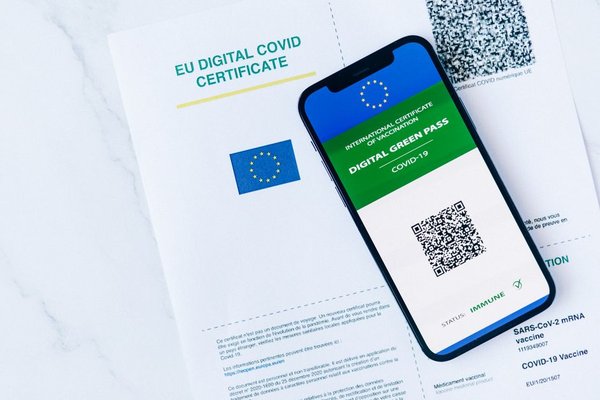
Companies House identity verification is now part of running a UK company. Since 18 November 2025, new directors have had to prove who they are before they can be appointed or used to incorporate a company. The change aims to make the public register more reliable and deter the use of false or stolen identities.
For new business owners, verification can determine whether an incorporation, director appointment or confirmation statement can proceed. Early preparation prevents delays.
What is Companies House identity verification?
Companies House identity verification is a legal process confirming that an individual is who they claim to be. Introduced under the Economic Crime and Corporate Transparency Act 2023, it became mandatory for directors and people with significant control, known as PSCs, from 18 November 2025.
Usually, a person verifies only once. Companies House then issues an 11-character personal code, which is used to connect the verified identity to each relevant role on the register. Someone who directs several companies normally uses the same code for every appointment.
What new directors must do before registration
A person becoming a director on or after 18 November 2025 must complete director identity verification before being appointed. When a company is incorporated, the personal code for each director must be provided with the application. The same rule applies when a director joins an existing company.
Founders should therefore avoid leaving the GOV.UK ID check until the final stage. If a proposed director has not completed verification, the registration or appointment filing may be delayed. Every proposed director should obtain their code before the incorporation documents are submitted.
Existing directors follow a transition timetable
People who were already directors before 18 November 2025 were not given one universal deadline. The requirements were phased in over a 12-month transition period. An existing director normally provides their personal code when the company files its next confirmation statement after the rules took effect.
A company may be unable to file that confirmation statement unless all directors have satisfied the relevant requirements. Companies with several directors should check everyone’s status well before the filing date.
How PSC verification works
A person with significant control owns or controls a company in a legally significant way. This may include holding more than 25% of its shares or voting rights, appointing or removing most directors, or exercising significant influence or control.
New PSCs added after 18 November 2025 can provide their personal code when first registered or within the following 14 days. Existing PSCs have role-specific dates. If an existing PSC is also a director of the same company, the relevant 14-day period is linked to the company’s confirmation statement date. If the PSC is not a director, the period is generally linked to the first 14 days of their birth month.
Verifying an identity and completing PSC verification are related but separate steps. A PSC must first obtain a personal code, then provide it with the required statement for the relevant PSC role. The same verified identity may need to be connected to several roles.
Ways to complete the identity check
Use GOV.UK One Login
Most people can verify directly through the Companies House service using GOV.UK One Login. The online route is free and may use a biometric passport from any country, a UK photocard driving licence, or certain UK biometric immigration documents. Depending on the document and device, the process may involve the GOV.UK ID Check app or another approved method.
Applicants must enter their own personal information, not company details. Names and dates of birth should match the evidence and Companies House records. An incorrect date of birth or another mismatch can prevent the personal code from connecting to a director or PSC record.
Use a Post Office or authorised agent
Some applicants can begin online and choose an eligible Post Office for an in-person check. They take the required letter and accepted photo ID to the branch, where staff scan the document and take a photograph. Successful applicants receive access to their personal code after the result is confirmed.
An Authorised Corporate Service Provider, or ACSP, can also complete the check. ACSPs are usually accountants, solicitors or formation agents supervised for anti-money-laundering purposes and registered with Companies House. Direct verification through GOV.UK is free, while an authorised agent may charge a professional fee.
How to manage your personal code
Your personal code belongs to you rather than to one company. Keep it secure, although you may share it with a trusted accountant, solicitor or formation agent who needs to file on your behalf. Do not publish it or give it to an unknown third party.
Store the code safely and keep the associated email address current. If it may be compromised, contact Companies House about replacing it. Before filing, check that your name and date of birth on the register are accurate.
What happens if you do not comply?
The companies house rules 2026 are legal requirements. Acting as a director without satisfying them can be unlawful, and the company and its directors may also be committing an offence. Companies House can use public register annotations, financial penalties and prosecution where appropriate.
A PSC who misses a deadline may also face enforcement action. In some circumstances, a PSC can request a 14-day extension before the original deadline expires, but the safer approach is to verify early and confirm that the code has been connected to every required role.
Practical preparation for business owners
Before incorporating, confirm who will be a director and who will be registered as a PSC. Ask each person to complete verification, collect the personal codes securely and check that legal names and dates of birth match the proposed filing.
Existing businesses should review their next confirmation statement date and the verification status of every director. PSC deadlines should be checked separately because the timing may differ. A brief compliance review can prevent rejected filings, last-minute corrections and disruption.
Frequently asked questions
Do all new directors need to verify their identity?
Yes. An individual becoming a director from 18 November 2025 must verify and provide a Companies House personal code during the incorporation or appointment process.
Is a personal code the same as a company authentication code?
No. A personal code relates to an individual’s verified identity. A company authentication code is a separate credential used for online company filing.
Does a director need a new code for every company?
No. In most cases, the person verifies once and uses the same code to connect their identity to each directorship or PSC role.
Is the Companies House identity check free?
Direct verification through the official GOV.UK service is free. An ACSP may charge a fee for verifying a client.
Conclusion
Companies House identity verification has changed the order in which company formations and director appointments must be prepared. New directors now verify before they are formally added, while existing directors and PSCs must meet role-specific deadlines.
Completing the check early, protecting the personal code and confirming that it is connected to every relevant role will make the process smoother. Identity verification is now a core part of UK company compliance, not an optional administrative step.